 +38 (067) 450 40 40


Дніпро
Запоріжжя
Івано-Франківськ
Кам'янське
Кременчук
Львів
Одеса
Полтава
Хмельницький
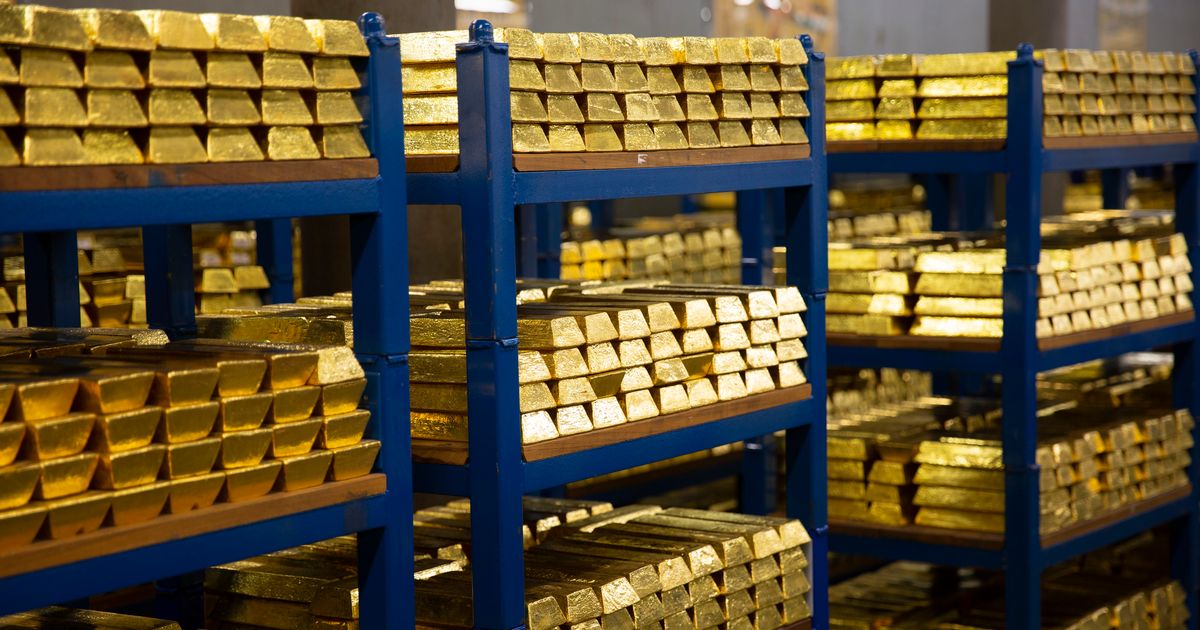
«Золота» гонка держав у 2025 році - яка країна купила найбільше золота
У 2025 році центробанки світу влаштували справжню "золоту гонку", нарощуючи резерви на тлі геополітичних ризиків, ослаблення долара та інфляції. Рекордний попит у третьому кварталі сягнув 1313 тонн, а лідером закупівель стала Польща – 67 тонн з початку року, що вивело її до топ-10 власників жовтого металу.
Рекордний сплеск попиту на золото в Q3 2025
За даними World Gold Council, у третьому кварталі центробанки придбали 220 тонн золота – на 28% більше, ніж у Q2. Загальний попит, включно з ETF (+222 тонни) та OTC-інвестиціями, встановив історичний максимум у 1313 тонн вартістю $146 млрд.
Цей бум пояснюється структурним зсувом: золото стає альтернативою долару в резервах. За три квартали 2025-го центробанки купили 634 тонни – менше, ніж торік, але вище середнього до 2022-го. Аналітики прогнозують 750–900 тонн на рік упродовж 2026-го.
Лідери "золотої гонки": Польща зміцнює свої позиції
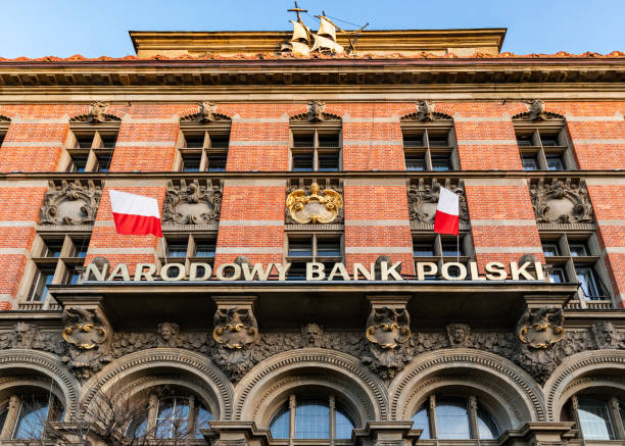
Польща впевнено очолює рейтинг покупців 2025-го, додавши 67 тонн (з них 49 у Q1 та 19 у Q2). Національний банк Польщі підвищив цільову частку золота до 20–22% резервів, зробивши країну найбільшим покупцем другого року поспіль.
Топ-покупці з початку року:
- Польща – 67 тонн;
- Азербайджан – близько 34,5 тонн;
- Казахстан – 22+ тонн;
- Китай і Туреччина – стабільні, але менші обсяги.
У Q3 вперед вирвалися Казахстан і Бразилія (15 тонн – перша покупка з 2021-го).
Топ країн за золотими резервами (липень–вересень 2025)
Лідери незмінні, але Польща стрімко піднімається:
Країна | Запаси, тонн |
США | 8133,5 |
Німеччина | 3350+ |
Італія | 2451+ |
Китай | 2303+ |
Індія | 880+ |
Польща | 515 |
Польща вже обігнала Туреччину та планує далі нарощувати до 30% резервів.
Чому триває "золота гонка" центробанків
Золото – хедж проти кризи: 95% центробанків очікують зростання глобальних резервів упродовж року. Ключові драйвери – геополітика, дедоларизація та стагфляція.
Південна Корея готується до перших покупок з 2013-го, Сербія – подвоїти до 100 тонн до 2030-го. Навпаки, Філіппіни та окремі політики США пропонують продати "надлишки" на біткойн.


Рекомендуємо:
Як купити криптовалюту
Прогноз ціни Біткоїна до $100 000

Статки Чанпен Чжао зросли на $3 млрд за час відсид...
Чому ставка ФРС США вирішує долю Біткоїна та альтк...

SWIFT змінює правила гри: що чекає на криптовалюти...
Доходи від стейкінгу Ethereum впали на 42% за пів ...


Що таке Ethena Finance? Суть синтетичного долара U...
Команда Hamster Kombat оголосила, що другий сезон ...
За 4 роки зафіксовано найбільший приплив інституці...
Глава Ripple пророкує перезавантаження криптоіндус...
Мінфін США хоче скоротити ринок приватних стейблко...
Біткоїн оновив історичний максимум після рішення Ф...
Курс Біткоїна злітає: влада США прикуплять до 5% B...
Європа колише курс Біткоїна: пенсійний фонд Велико...
Аналітик Майкл ван де Попп прогнозує Біткоїну $100...
Чи вплине перемога Трампа на курс Біткоїна?
Аналіз пампів на ринку криптовалют
Екосистема Ethereum: підготовка до нового прориву
Solana проти Ethereum: хто виграє у боротьбі за De...

Тренди криптовалют 2024 року: на що звернути увагу...
CBDC: як цифрові валюти центральних банків змінять...
Скандал із "Біткоїн Ісусом": що сталося з Роджером...
Розвиток криптовалютної індустрії в Україні



Калькулятор
$
USD₴
UAH
Калькулятор