 +38 (067) 450 40 40


Дніпро
Запоріжжя
Івано-Франківськ
Кам'янське
Кременчук
Львів
Одеса
Полтава
Хмельницький
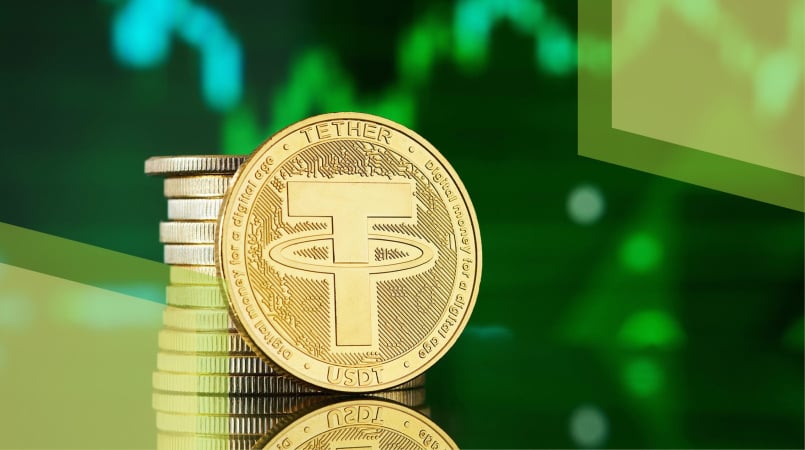
Чому стейблкоіни стали must-have для великих інвесторів – аналітика Moody’s
Стейблкоїни – це стабільні цифрові активи, які швидко стають важливою частиною інституційного фінансування. Вони фактично з’єднують традиційні фінансові ринки з блокчейн-технологіями, забезпечуючи швидкі та передбачувані розрахунки.
За даними звіту Moody's, обсяги транзакцій у цьому сегменті вже вимірюються багатотрильйонними масштабами, що свідчить про перехід стейблкоїнів від спекулятивного інструменту до повноцінного платіжного засобу.
Звіт Moody's: Ключові висновки про стейблкоіни
Агентство Moody's у своєму останньому аналізі виділяє стейблкоіни як ключовий елемент для підвищення ефективності фінансових операцій у інституціях. Звіт зазначає, що загальна пропозиція стейблкоінів зросла на 33% за рік, перевищивши 304 мільярди доларів, завдяки їхній прив'язці до фіатних валют, як-от долар США.
Аналітики також підкреслюють, що такі інструменти, як USDT чи USDC, вже використовуються для хеджування ризиків у портфелях великих фондів.
Переваги стейблкоінів для інституційних інвесторів
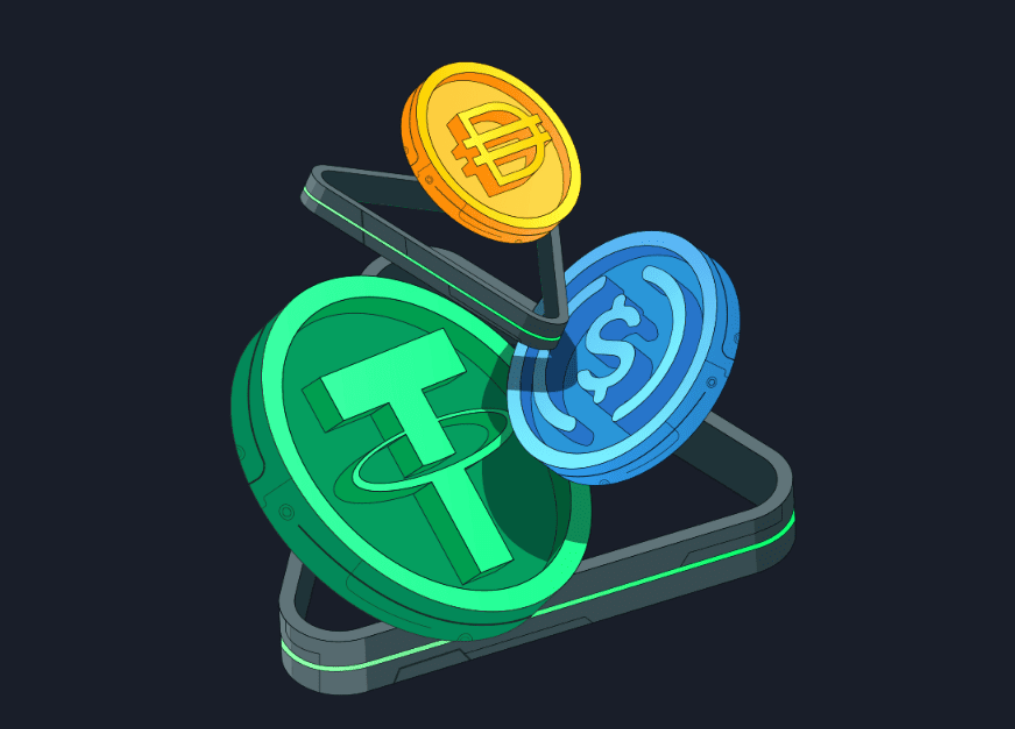
Для інституцій стейблкоїни – це передусім інструмент швидких і дешевих транзакцій. Вони дозволяють миттєво переміщати капітал між ринками без затримок і втрат, характерних для традиційних банківських переказів.
Крім того, стейблкоїни підвищують ліквідність і дають змогу швидко входити або виходити з позицій. Саме тому хедж-фонди та керуючі компанії використовують їх як фінансовий «буфер» у періоди ринкової нестабільності.
Ключові переваги для інвесторів:
- швидкі та дешеві розрахунки;
- менша залежність від банківської інфраструктури;
- простіша адаптація до регуляторних вимог, зокрема в ЄС.
Приклади інтеграції в реальні фінансові процеси
На практиці стейблкоїни активно застосовуються для міжнародних платежів, де традиційні системи можуть працювати кілька днів. Наприклад, JPMorgan використовує блокчейн-рішення для корпоративних клієнтів, що дозволяє проводити розрахунки майже миттєво.
Водночас BlackRock застосовує USDC у процесах токенізації фінансових продуктів, спрощуючи обіг активів і доступ до них на різних ринках. Це показує, що стейблкоїни не лише прискорюють операції, а й відкривають нові можливості для глобальних інвесторів.
Майбутні тенденції та виклики
До 2030 року ринок стейблкоінів може досягти 3 трильйонів доларів, за прогнозами експертів, завдяки посиленню регуляції та інтеграції з CBDC. Moody's передбачає розширення їхньої ролі в децентралізованих фінансах (DeFi).
Однак виклики, як регуляторні бар'єри в США чи ризики кібербезпеки, вимагають від інституцій адаптації. Аналітики радять моніторити звіти агентств для своєчасного реагування на зміни.
Як адаптуватися до змін
Стейблкоїни поступово стають операційною базою інституційних фінансів, а не просто ще одним класом цифрових активів. Для інвесторів це сигнал переходити від спостереження до практичної інтеграції – аналізувати інфраструктурні рішення, моделі резервного забезпечення та екосистеми провідних гравців, зокрема Binance і Circle.
Ті, хто почне працювати зі стейблкоїнами вже зараз, отримають стратегічну перевагу в фінансовій системі, де швидкість розрахунків і довіра до цифрових грошей стають ключовими факторами успіху.
Джерело: Binance News


Рекомендуємо:
Як купити криптовалюту


Прогноз ціни Біткоїна до $100 000


Статки Чанпен Чжао зросли на $3 млрд за час відсид...
Чому ставка ФРС США вирішує долю Біткоїна та альтк...

SWIFT змінює правила гри: що чекає на криптовалюти...
Доходи від стейкінгу Ethereum впали на 42% за пів ...


Що таке Ethena Finance? Суть синтетичного долара U...
Команда Hamster Kombat оголосила, що другий сезон ...
За 4 роки зафіксовано найбільший приплив інституці...
Глава Ripple пророкує перезавантаження криптоіндус...
Мінфін США хоче скоротити ринок приватних стейблко...
Біткоїн оновив історичний максимум після рішення Ф...
Курс Біткоїна злітає: влада США прикуплять до 5% B...
Європа колише курс Біткоїна: пенсійний фонд Велико...
Аналітик Майкл ван де Попп прогнозує Біткоїну $100...
Чи вплине перемога Трампа на курс Біткоїна?
Аналіз пампів на ринку криптовалют
Екосистема Ethereum: підготовка до нового прориву
Solana проти Ethereum: хто виграє у боротьбі за De...

Тренди криптовалют 2024 року: на що звернути увагу...
CBDC: як цифрові валюти центральних банків змінять...
Скандал із "Біткоїн Ісусом": що сталося з Роджером...
Розвиток криптовалютної індустрії в Україні



Калькулятор
$
USD₴
UAH
Калькулятор