 +38 (067) 450 40 40


Дніпро
Запоріжжя
Івано-Франківськ
Кам'янське
Кременчук
Львів
Одеса
Полтава
Хмельницький
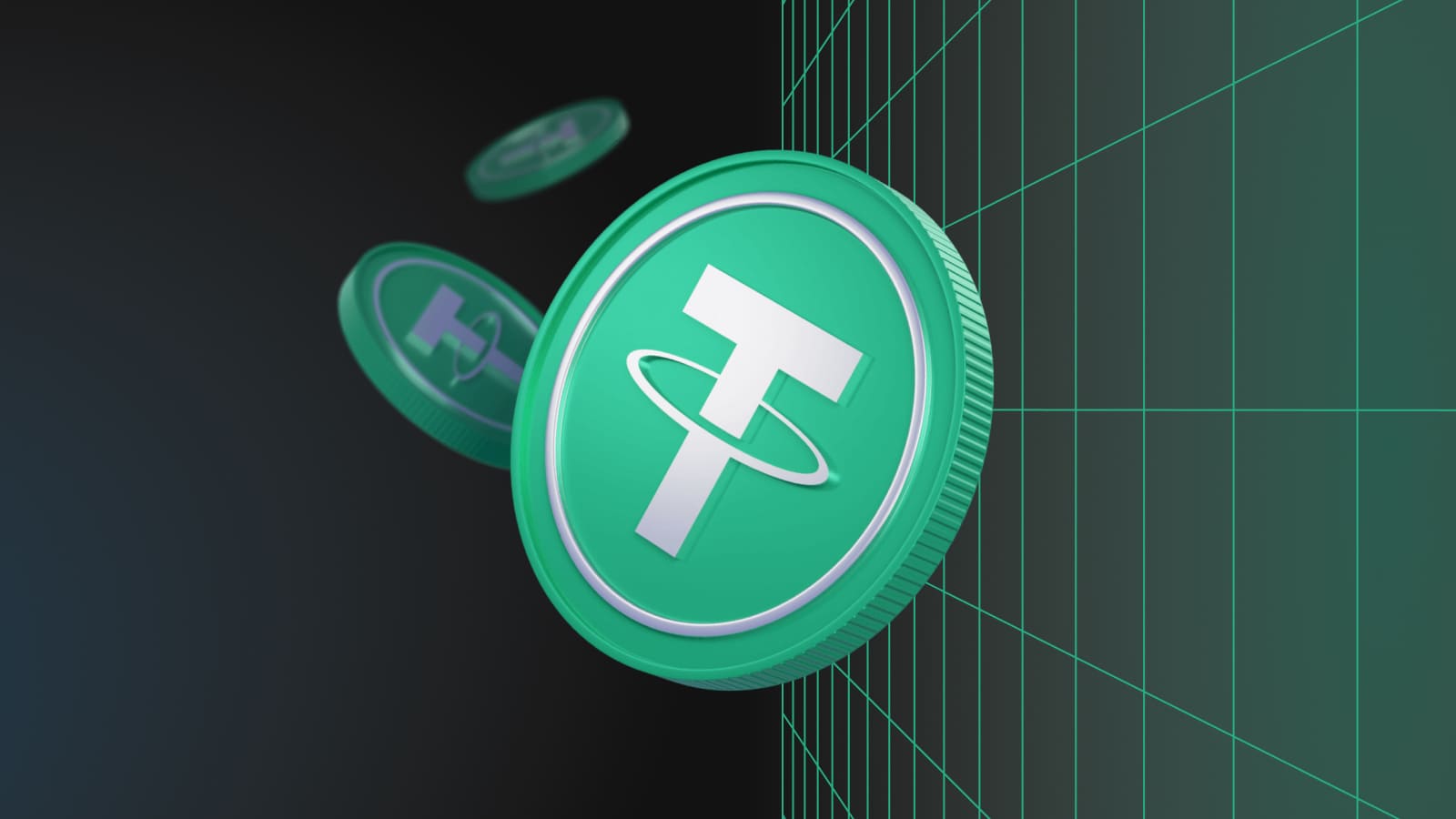
Tether у 2025: як обійти MiCA і втримати ЄС
У 2025 році Tether (USDT) залишається беззаперечним лідером стейблкоїнів, утримуючи мільярдні обсяги щоденних транзакцій. Але в Європі ситуація різко змінилася: регламент MiCA встановив жорсткі рамки, які загрожували присутності USDT на ключовому ринку. Замість прямого виконання вимог компанія обирає стратегічний обхід – інвестує €30 млн у іспанську платформу Bit2Me з ліцензією CASP, отримуючи законний доступ до 27 країн ЄС.
MiCA змінює правила гри
Регламент MiCA (Markets in Crypto-Assets), що діє з 2025 року, зобов’язує емітентів стейблкоїнів:
мати 100% резервне покриття,
проходити регулярні аудити,
обмежувати обсяги щоденних транзакцій до €200 млн.
Для USDT, який щодня обробляє близько $50 млрд, це обмеження виглядало майже як заборона. Отримання власної ліцензії вимагало б повної прозорості резервів – чого Tether традиційно уникає.
Bit2Me – стратегічний міст у ЄС
Вихід знайшли у партнерстві з Bit2Me, іспанською платформою, що вже має ліцензію CASP від CNMV.
Bit2Me обслуговує понад 1,2 млн користувачів та 7 000 бізнесів, пропонуючи послуги обміну, зберігання та переказів криптовалют. Сертифікація ISO 27001 додає рівень безпеки, привабливий для інституційних клієнтів.
Завдяки цьому союзу Tether може проводити транзакції в межах, визначених MiCA, залишаючись при цьому у правовому полі й без прямого втручання Європейського банківського управління.
“Це партнерство відкриває для нас Європу без бюрократичних затримок”, – заявив CTO Tether Паоло Ардойно.
Латинська Америка як другий фронт
Bit2Me має сильні позиції не лише в ЄС, а й у Латинській Америці. Особливо в Аргентині, де інфляція у 2024 році сягнула 140%, USDT став рятівним інструментом для збереження купівельної спроможності.
Для місцевих підприємців можливість отримувати платежі в USDT і миттєво конвертувати їх у песо через Bit2Me означає фінансову стабільність у хаотичній економіці.
Конкуренція з EURC і виклики попереду
На європейському ринку Tether зіштовхується з потужним конкурентом – EURC від Circle, який контролює 90% сегмента євро-стейблкоїнів і повністю відповідає вимогам MiCA. Деякі великі біржі, зокрема Kraken і Coinbase Europe, вже обрали EURC як основний стейблкоїн у євро.
Щоб зберегти конкурентоспроможність, Tether співпрацює з Crystal Intelligence, впроваджуючи додаткові інструменти для моніторингу транзакцій та боротьби з відмиванням коштів. Це покликано підвищити довіру інституційних клієнтів і зменшити тиск з боку регуляторів.
Tether у 2025 році обирає гнучкість замість прямої конфронтації з регуляторами. Партнерство з Bit2Me дозволяє Tether зберегти доступ до ринку ЄС і паралельно зміцнити позиції у Латинській Америці.
Для користувачів це означає збереження доступу до USDT в Європі, а для інвесторів – підтвердження готовності компанії інвестувати у своє глобальне домінування та залишатися на крок попереду конкурентів.
Джерело: Ainvest.com


Рекомендуємо:
Як купити криптовалюту
Прогноз ціни Біткоїна до $100 000
Статки Чанпен Чжао зросли на $3 млрд за час відсид...
Чому ставка ФРС США вирішує долю Біткоїна та альтк...
SWIFT змінює правила гри: що чекає на криптовалюти...
Доходи від стейкінгу Ethereum впали на 42% за пів ...


Що таке Ethena Finance? Суть синтетичного долара U...
Команда Hamster Kombat оголосила, що другий сезон ...
За 4 роки зафіксовано найбільший приплив інституці...
Глава Ripple пророкує перезавантаження криптоіндус...
Мінфін США хоче скоротити ринок приватних стейблко...
Біткоїн оновив історичний максимум після рішення Ф...
Курс Біткоїна злітає: влада США прикуплять до 5% B...
Європа колише курс Біткоїна: пенсійний фонд Велико...
Аналітик Майкл ван де Попп прогнозує Біткоїну $100...
Чи вплине перемога Трампа на курс Біткоїна?
Аналіз пампів на ринку криптовалют
Екосистема Ethereum: підготовка до нового прориву
Solana проти Ethereum: хто виграє у боротьбі за De...

Тренди криптовалют 2024 року: на що звернути увагу...
CBDC: як цифрові валюти центральних банків змінять...
Скандал із "Біткоїн Ісусом": що сталося з Роджером...
Розвиток криптовалютної індустрії в Україні



Калькулятор
$
USD₴
UAH
Калькулятор