 +38 (067) 450 40 40


Дніпро
Запоріжжя
Івано-Франківськ
Кам'янське
Кременчук
Львів
Одеса
Полтава
Хмельницький
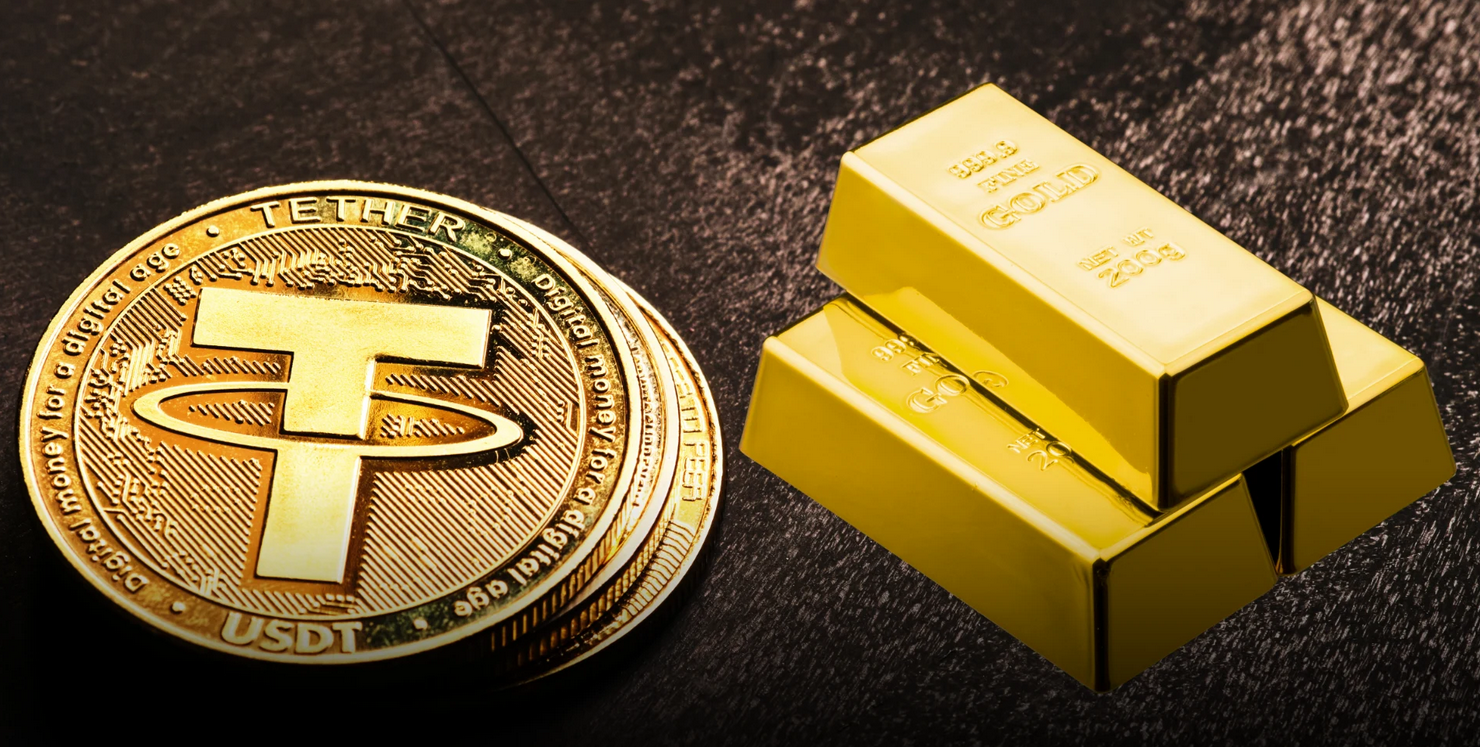
Tether купує 27 тонн золота
Tether, емітент найбільшого у світі стейблкоїна USDT, повідомила про купівлю 27 тонн фізичного золота у IV кварталі 2025 року. Таким чином компанія продовжує стратегію диверсифікації резервів, поступово зменшуючи залежність виключно від державних облігацій і готівки.
За даними компанії, золото зберігається у спеціалізованих сховищах і входить до структури активів, які забезпечують стабільність USDT. Це один із найбільших кроків Tether у напрямку реальних, нефіатних активів за весь час існування проєкту.
Чому саме золото – логічний вибір для Tether
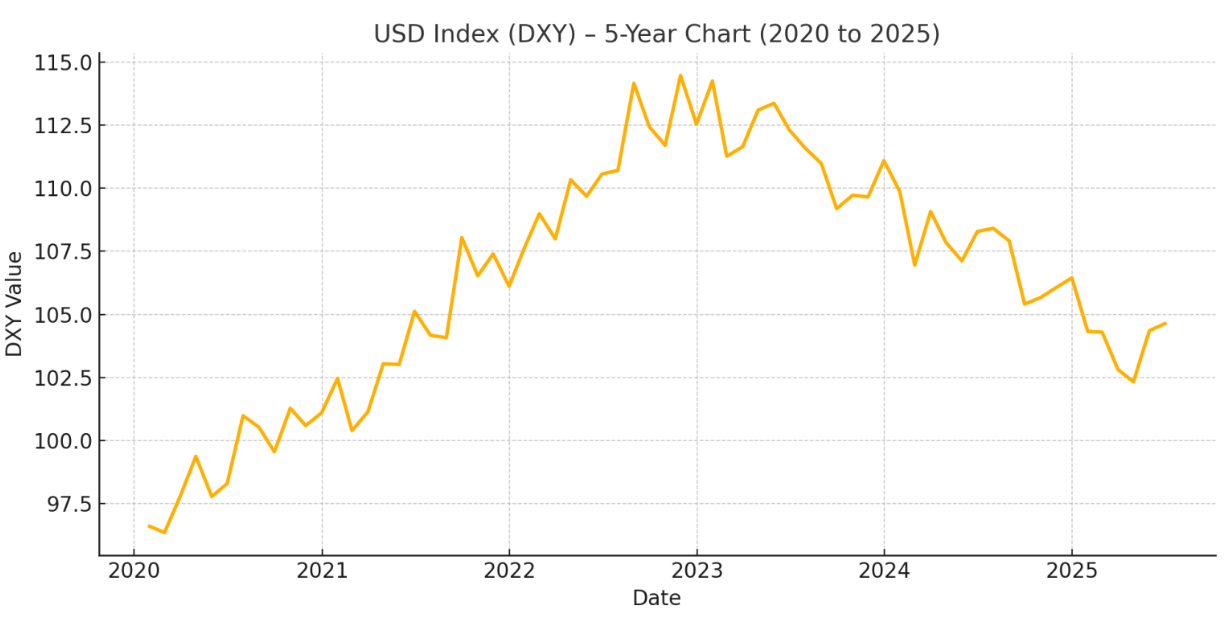
У глобальному контексті купівля золота виглядає логічним продовженням стратегії захисту від фінансових і регуляторних ризиків. Золото традиційно вважається захисним активом у періоди фінансової нестабільності, інфляційного тиску та зростання боргових ризиків.
Для Tether це означає:
- підвищення довіри до резервів з боку інституційних гравців;
- зменшення регуляторних ризиків, пов’язаних із фіатними активами;
- додаткову страховку на випадок турбулентності на ринках держоблігацій.
На тлі активних дискусій щодо прозорості резервів стейблкоїнів, ставка на фізичне золото виглядає прагматичним фінансовим рішенням.
Зміна парадигми на ринку стейблкоїнів
Ця угода показує, що ринок стейблкоїнів поступово змінюється. Такі активи більше не розглядаються лише як «цифрова версія долара», а все частіше поєднують у собі фіатні кошти, боргові інструменти та реальні активи, зокрема золото.
Коли найбільший гравець ринку послідовно збільшує частку золота в резервах, це задає напрямок для всієї індустрії. Іншим емітентам доведеться або рухатися в тому ж напрямку, або пояснювати інвесторам і регуляторам, чому їхні моделі забезпечення є не менш надійними. У перспективі це може змінити саме уявлення про те, яким має бути по-справжньому стабільний цифровий актив.
Що це означає для інвесторів і користувачів USDT
Для звичайних користувачів USDT купівля золота напряму не змінює механіку роботи стейблкоїна, однак змінює контекст довіри. Резерви, підкріплені фізичним активом із багатовіковою історією збереження вартості, знижують системні ризики в умовах глобальної фінансової напруги.
З інвестиційної точки зору це також сигнал, що великі криптогравці дедалі серйозніше сприймають сценарії затяжної нестабільності фіатних валют. Інакше кажучи, золото повертається не як альтернатива крипторинку, а як його фундаментальний елемент захисту.
У разі фінансових криз або проблем із традиційними валютами у USDT з’являється додатковий «запас міцності», який робить його менш вразливим до різких потрясінь і підсилює довіру користувачів.
Джерело: Reuters


Рекомендуємо:
Як купити криптовалюту
Прогноз ціни Біткоїна до $100 000
Статки Чанпен Чжао зросли на $3 млрд за час відсид...
Чому ставка ФРС США вирішує долю Біткоїна та альтк...
SWIFT змінює правила гри: що чекає на криптовалюти...
Доходи від стейкінгу Ethereum впали на 42% за пів ...


Що таке Ethena Finance? Суть синтетичного долара U...
Команда Hamster Kombat оголосила, що другий сезон ...
За 4 роки зафіксовано найбільший приплив інституці...
Глава Ripple пророкує перезавантаження криптоіндус...
Мінфін США хоче скоротити ринок приватних стейблко...
Біткоїн оновив історичний максимум після рішення Ф...
Курс Біткоїна злітає: влада США прикуплять до 5% B...
Європа колише курс Біткоїна: пенсійний фонд Велико...
Аналітик Майкл ван де Попп прогнозує Біткоїну $100...
Чи вплине перемога Трампа на курс Біткоїна?
Аналіз пампів на ринку криптовалют
Екосистема Ethereum: підготовка до нового прориву
Solana проти Ethereum: хто виграє у боротьбі за De...

Тренди криптовалют 2024 року: на що звернути увагу...
CBDC: як цифрові валюти центральних банків змінять...
Скандал із "Біткоїн Ісусом": що сталося з Роджером...
Розвиток криптовалютної індустрії в Україні



Калькулятор
$
USD₴
UAH
Калькулятор